
Canberra Bee Control
Canberra bee control provides safe and effective bee hive removal, swarm management, and pest control services in the ACT. Our experienced team handles bee colonies, nests, and honey bees to protect your home and property efficiently.
Call Now!
Identifying Different Types of Bees in Canberra
How to tell a honeybee from a wasp?
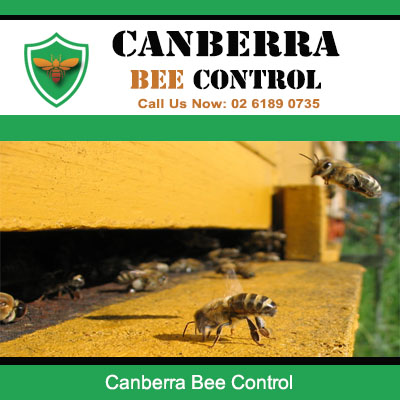
If you see buzzing insects around your home or garden in Canberra, it is important to know whether they are honeybees or wasps. Honeybees and wasps such as European wasps, paper wasps, and yellow jackets can look alike at first, but there are clear differences.
Honeybees have fuzzy bodies covered with fine hairs that help them carry pollen. Their bodies show yellow and brown stripes and are thicker. Wasps, including European wasps and paper wasps (genus Vespula), have smooth, shiny bodies with bright yellow and black marks. Wasps are more likely to be aggressive and may sting if threatened, while honeybees usually sting only when provoked.
Wasps make paper-like nests that hang from trees or eaves. Honeybees build waxy hives made of honeycomb. If you find wasp nests near your home, contacting wasp and bee control Canberra experts is recommended to prevent dangerous stings.
Knowing these differences helps you decide if you are dealing with social wasps or harmless honeybee activity. When unsure, professional pest controllers can safely check the situation.
What are the signs of a bee infestation?
Spotting a bee infestation early is key to handling bee problems in Canberra. Bees usually build a hive or colony in hidden places like wall spaces, roof gaps, or hollow trees. Common signs of a bee infestation include:
- Loud buzzing sounds near your house or garden
- Seeing clusters or swarms of bees flying nearby
- Finding honeycomb or larvae inside walls or bushes
- Discovering beehives or nests attached to surfaces
- Noticing frequent bee activity around windows or doors
Bee infestations may cause safety risks, especially if the colony becomes aggressive or people are allergic to stings. Keeping areas clean and removing possible nesting spots can reduce the chance of infestations.
Professional bee pest control in Canberra uses safe methods to remove infestations while protecting local bees. If you notice unusual bee activity near your property, act quickly to prevent bigger problems.
Is it possible to identify the bee species?
Yes, identifying bee species is important for proper Australian bee control. Canberra has many native bee species along with introduced ones like the European honey bee (Apis mellifera).
European honey bees are the most common introduced species. They are known for making honey and living in large colonies. Native bees look and behave differently. Many do not form big hives and often live alone or in small groups.
Knowing the species helps choose the right control approach and protects useful native bees. Native bees usually are less aggressive and help pollinate plants.
Observing size, colour, and behaviour can give clues about what type of bee you see. However, expert help is often needed for exact identification. Canberra Bee Control specialises in identifying native and European honey bee species and offers appropriate solutions.
What do European honeybees look like?
European honey bees (Apis mellifera) have a clear appearance. Their bodies have yellow and brown stripes and measure about 12 to 15 millimetres. Their bodies have hairs to collect pollen and have three parts: head, thorax, and abdomen.
They build honeycombs inside hives from beeswax. These hives store pollen, nectar, and honey. European honey bees are social insects that live in large colonies with thousands of bees working together.
If you see many bees with yellow-brown colours and waxy honeycomb nearby, they are likely European honey bees. This species is important for honey production but can be a problem if a hive is too close to where people live.
Knowing what European honey bees look like and how they behave helps you decide when to get professional Canberra honeybee services. If you find a hive near your home, contact experts who can manage it safely.
Where can I find bee nests?
Bee nests, also called hives or beehives, are homes for bee colonies. These nests can be found in different spots around your property and nearby areas. Bees look for safe nesting sites that offer shelter and easy access to food.
Common places to find bee nests include natural cavities in trees, spaces behind walls, and gaps under roofs. You may also see nests in garden yards where flowers and plants attract pollinators. Bees sometimes build nests in the eaves of houses or inside masonry like sandstone, limestone, or mortar. These materials often have small spaces where a bee colony can settle.
If you have an apiary, which is an area where beehives are kept, you will see many nesting sites managed by beekeepers. On private properties, nests might appear in unexpected places, so it is important to know where to look to keep your home and property safe.
What are the common nesting spots?
Bees like nesting spots that provide protection and steady conditions. The most common nesting spots include:
- Cavities in trees: Hollow trunks and branches serve as natural homes.
- Walls and eaves: Spaces between bricks or under eaves are good places for nests.
- Roofs: Attics and spaces beneath roof tiles often hold bee colonies.
- Garden yards: Places with lots of flowers and plants attract bees to nest close by.
- Stone and masonry: Sandstone, limestone, and mortar walls may have cracks or holes suitable for nests.
Knowing these common spots helps homeowners find bee nests early. If you notice more bees around these areas or signs of a bee hive, it could mean a bee nest is nearby.
How to find bees nesting in walls?
Finding bees nesting in walls takes careful watching and sometimes expert help. Signs of bees in walls include buzzing sounds, more bees near cracks or openings, or small holes in masonry. Walls made from sandstone, limestone, or mortar can have cavities that bees use to build their hive.
To locate a bee nest in walls:
- Listen carefully for buzzing noises.
- Watch for bees going in and out of small cracks or holes.
- Check around mortar lines, bricks, and masonry for gaps.
- Use a flashlight to safely look inside any open spaces.
- Do not seal any openings before the bees are safely removed by a professional.
Removing bees from walls should be done carefully to avoid damage and keep people safe. Canberra Bee Control offers expert help to find and remove nests. They protect your home and property from infestations while trying to save bee populations when possible.
What to do with bees nesting in the garden?
If bees are nesting in your garden, you may worry about safety and damage. But bees help pollinate plants and keep gardens healthy. Here are some steps you can take:
- Avoid disturbing the bees: Quick movements can upset the colony.
- Use natural repellents: Some plant extracts can help encourage bees to move away on their own.
- Call professional beekeepers: They can remove or move hives safely without hurting the bees.
- Keep your yard and flowers tidy: Remove debris and unwanted materials to stop bees from nesting.
- Know the risks and benefits: Bees support plant growth but can be risky if the nest is too close to your home.
For safe prevention and control, professional services like Canberra Bee Control offer garden hive management that protects you and these important pollinators.
Addressing Bee-Related Concerns
What are the risks associated with bees?
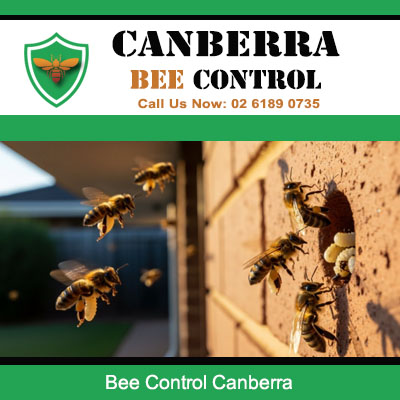
Bees are important for the environment, but they can also cause problems if their nests are disturbed. Bee stings are the main concern because they can be painful and may cause allergic reactions in some people. Children and pets are more at risk since they are smaller and more sensitive.
It is important to know the difference between bees and other insects like European wasps, social wasps, paper wasps, and yellow jackets. These wasps are often more aggressive and pose a greater threat. Their stings can be very painful and sometimes cause serious allergic reactions.
If you have a bee or wasp infestation near your home, the chance of getting stung goes up. Learning about their behaviour and where they live can help you manage the risk. Regular checks and calling a professional to remove nests can keep your family and pets safe from urgent health risks caused by stings.
Are bee stings dangerous?
Bee stings usually cause pain and swelling but are not dangerous for most people. However, stings can be serious for those who have allergies to bee venom. Children and pets might also have stronger reactions that need urgent medical care.
Watch for symptoms like swelling beyond the sting site, trouble breathing, dizziness, or a fast heartbeat. If these happen, get emergency help right away. Stings from European wasps and yellow jackets can be more harmful because their venom is stronger.
Knowing the signs of a bad reaction and understanding the risks helps avoid serious health problems. People with allergies should carry an epinephrine auto-injector (EpiPen) and treat any strong reaction as an emergency.
How to treat bee stings?
If someone gets stung by a bee, quick first aid can reduce pain and problems:
- Remove the stinger carefully using a flat object like a credit card. Do not pinch it because that can release more venom.
- Clean the sting area with soap and water to stop infection.
- Apply an ice pack wrapped in cloth to lower swelling and pain.
- Take pain relief medicine like ibuprofen or acetaminophen if needed.
- Use antihistamines or hydrocortisone cream for itching or mild allergic reactions.
If swelling gets worse, breathing is hard, or serious symptoms appear, seek urgent medical help immediately.
For allergic people, using an epinephrine injector quickly can save lives. Canberra Bee Control recommends having a plan ready if anyone in your family is at risk.
How to avoid bee stings?
You can prevent bee stings by learning about bee behaviour and making simple changes to keep them away:
- Wear long sleeves and pants when outside.
- Move slowly and calmly around bees and wasps to avoid sudden movements.
- Cover food and sugary drinks because bees and yellow jackets like sweet smells.
- Keep outdoor spaces clean by clearing spills and rubbish promptly.
- Keep children and pets away from nests, hives, or swarms.
- Check your garden often for nests under eaves, roofs, or near bins.
- Use natural repellents and pest control methods to stop wasps and bees from nesting nearby.
- Call professional pest control to safely remove nests without harming bees, which are important pollinators.
These steps help lower the risk of bee stings and keep your home safe. If you see a hive or swarm, contact experts who know how to handle bees safely and protect the environment.
Bee Control and Removal Services in Canberra
What are the steps for a successful bee removal process?
Removing bees safely and effectively requires a careful, professional approach. The first step is to assess the bee nest or hive location. This helps understand the colony size and how easy it is to access. Bee removal Canberra experts check the area closely, often searching for the queen bee since the colony centres around her.
Next, using protective gear and controlled, non-lethal methods, the team carefully removes the hive or bee swarm. This includes taking out honeycomb and honey while causing as little disturbance as possible. The goal is to relocate the bees when it can be done, protecting these important pollinators.
Safety is very important throughout the process. Experienced beekeepers or pest control Canberra professionals follow strict rules to keep people and property safe. Sometimes emergency bee removal is needed, especially when hives are close to homes or busy places.
After removal, the site is cleaned and checked to stop bees from coming back. This professional method helps protect the environment and supports healthy apiaries while keeping your property safe.
What services do bee controllers offer?
Bee control experts in Canberra provide many services to manage and remove bees safely. They offer bee extermination Canberra if removal is necessary, but often focus on humane bee management and swarm relocation.
Their services include hive removal Canberra and cleaning to remove any traces that might attract new bees. They also check hive health and give advice on managing native bees versus European honey bees or other types.
Many teams have beekeeping Canberra experience. This knowledge helps them use natural or chemical treatments based on what clients want and what suits the environment.
Emergency services are available for urgent swarm or infestation cases. A professional team will inspect the site, suggest prevention plans, and provide follow-up visits to make sure the problem does not return.
What should I expect from pest control services?
When you hire pest control Canberra for bee control in Canberra, expect a professional and insured team with quick responses. They use treatments that fit the specific bee problem, whether it is a bee colony, bee nest, or pests like wasps, European wasps, yellow jackets, paper wasps, or social wasps.
They bring the right equipment and wear protective gear to keep everyone safe. They start with an assessment or inspection to give you a quote and explain treatment options. Non-toxic options are often available for those who want environment-friendly removal.
Cleaning after hive removal is part of their service to prevent new infestations. Good customer service means clear communication, safety measures, and advice on how to stop future bee problems.
Follow-up inspections and prevention tips help keep your property bee-free while protecting the environment. That is what you can expect from trusted pest control Canberra services.
How much does bee control and removal generally cost?
The cost of bee removal services depends on several factors. These include how large the infestation is, where the hive is located, how hard it is to access, and how complex the removal is. Emergency services or follow-up treatments may add to the price.
During the inspection, the team will give you a detailed quote. This shows the costs for time, equipment, and safety measures. Licensed professionals offer fair prices and good value by removing bees safely and effectively.
Cheaper services might not offer full checks or use the safest methods. Choosing a reliable Canberra bee control service ensures you get removal, prevention advice, and ongoing support.
Knowing these factors helps you choose the best option for bee control, balancing cost, quality, and safety.
Areas We Service for Bee Control in Canberra
We proudly provide expert bee control solutions across the Canberra region and surrounding areas. Our skilled team is dedicated to helping homeowners and businesses safeguard their properties from bee infestations through safe, effective, and environmentally responsible methods.
We service a wide range of locations, including:
- North Canberra
- South Canberra
- Weston Creek
- Woden Valley
- Belconnen
- Molonglo Valley
- Queanbeyan
Whether you’re dealing with a small nest or a large infestation, we offer fast, affordable, and reliable bee removal and prevention services tailored to your needs. Protect your home or business today with trusted bee control services available throughout Canberra and nearby suburbs. Contact our friendly team for prompt assistance and lasting protection.
Have you noticed bees near your home lately? Contact a professional Canberra bee control service for an inspection. Find out how to keep your property safe and bee-free the right way.
Protecting Your Property from Future Bee Problems
How to keep bees away from your property?
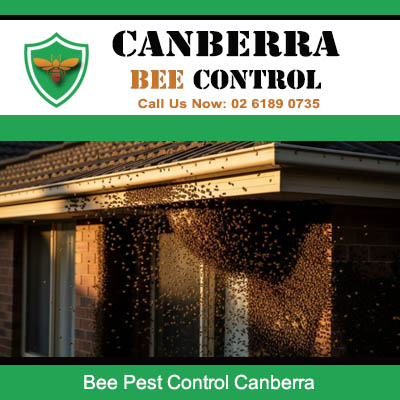
Bees are important for pollination, but bee problems in Canberra can worry homeowners. To reduce the chance of bees coming to your property, you need to know what attracts them and how to avoid it.
Bees like flowering plants and sugary things. When planning your yard, try to limit bright flowers near outdoor seating areas. Don’t leave sugary food, drinks, or uncovered rubbish outside because these attract bees. Keeping your yard clean helps stop pests like bees from nesting nearby.
Bees also look for safe spots to build hives or nests. Check your property often for signs of hives, especially under eaves, in sheds, or hollow trees. Fix any problems quickly to stop bigger infestations.
By removing places where bees might nest and managing plants and food sources, you can reduce bee problems in Canberra. If you want advice on which plants to avoid, ask us in the comments.
What are some natural repellents to discourage bees?
If you want to keep bees away safely, natural repellents work well. These repel bees without hurting them or the environment.
Essential oils like peppermint oil, citronella, and eucalyptus are good choices. Bees do not like their strong smells. You can mix a few drops with water and spray around places where bees gather.
Vinegar is another safe option. Spray diluted vinegar near doors, windows, and outdoor eating areas to keep bees away.
Planting types that produce little pollen or nectar can also help. Avoid highly scented or pollen-rich flowers near outdoor spaces you use often.
Some people use beeswax products to cover scents that bees follow to find hives or food.
Natural repellents are a kind way to handle bee control in Canberra gardens. If you want to learn how to make your own sprays, just ask!
Should I consider professional inspection services?
Professional inspection services are important for good bee control and removal in Canberra. If you think there is a hive or nest on your property, an expert check is safer and more effective.
Canberra bee control services have trained pest controllers and beekeepers who know how to find hives and check risks. They remove hives safely to protect you and the bees.
Professionals also help with ongoing monitoring and give advice to prevent future problems. This kind of pest management is very useful where bees are common.
Choosing a Canberra apiary expert or licensed worker means they follow local laws and safety rules. Their knowledge of native bees helps keep the process humane and effective.
If you suspect a hive or want advice on when to call experts, contact Canberra Bee Control for an inspection.
What are the long-term strategies for management?
Long-term bee management aims to control pests while protecting bees and the environment.
Integrated pest management uses several steps: regular checks, removing hives when needed, changing habitats, and treatment if necessary. This balanced approach reduces risks without overusing chemicals.
Good biosecurity means keeping yards tidy and removing debris to lower nesting spots. You might also consider beekeeping to manage local bees in a controlled way. This helps pollination and lowers wild hive growth.
Learning about Canberra beekeeping and bee habits improves how you prevent problems. Regular inspections and maintenance reduce risks over time.
If you want more details on how to manage bees sustainably or start backyard beekeeping, share your questions and we can help.
If you have urgent bee issues, contact Canberra Bee Control for professional help and peace of mind.
What are the best ways to manage native bees and honey bee hives in Canberra?
The best way to manage native bees and honey bee hives is to use professional hive removal and pest control services. These services protect pollinators while keeping people safe. They also help keep Canberra's environment healthy by using methods that work well for local bees and plants.
How do pest and insect control services in the Australian Capital Territory deal with pests like mud wasps or silverfish?
Pest control experts use approved sprays and treatments made for local pests like mud wasps and silverfish. They focus on blocking entry points around homes and buildings to stop pests from coming inside, while using chemicals carefully to keep families and pollinators safe.
How does bee control work with other pest management in Canberra suburbs such as Belconnen and Gungahlin?
Bee control is part of a larger pest management plan that includes dealing with ants, mice, cockroaches, and rodents. In places like Belconnen and Gungahlin, this helps keep homes free from many pests while protecting bees and the local environment.
Is emergency bee removal offered for sudden hive appearances near homes or public places like the National Arboretum Canberra?
Yes, emergency bee removal is available. Teams can quickly remove hives found near homes or public spots like the National Arboretum Canberra. They do this safely to protect both people and bees.
Why is knowing Canberra’s local environment important for good bee and insect control?
Knowing about Canberra’s plants, animals, and seasons helps experts choose the right ways to control pests. Understanding local bee varieties and predators means control methods protect helpful pollinators while managing pests well.
How can people living in areas like Tuggeranong or Woden stop insects and bees from making hives?
People can seal up holes and cracks in walls, manage compost properly, and avoid having too much water near creeks. These simple steps stop pests and bees from settling. Checking regularly and calling professionals early helps keep homes safe.
Why should you use professional hive removal instead of trying it yourself in Canberra?
Professionals have the right tools and knowledge to remove hives safely without hurting bees or damaging homes. Trying it yourself can be unsafe and might not work, which can cause more problems and harm important pollinators.
How do you make sure pest and bee treatments are safe and kind to the environment?
All treatments used are registered and approved in the ACT. They are applied carefully to reduce harm to wildlife and plants. The approach focuses on controlling pests while protecting helpful animals like pollinators and natural predators.
Canberra Bee Control Insights
- We provide full bee control services across the Australian Capital Territory, including Canberra ACT and nearby areas like Belconnen, Queanbeyan, and Weston Creek. Our team safely removes and manages bee hives in homes and businesses.
- Our skilled team focuses on honey bee control, bee extermination, and beehive removal, solving bee problems in Canberra using local knowledge of apiary and apiculture.
- We handle aggressive bee colonies carefully by inspecting and removing larvae and honeycomb to stop infestations and protect your property.
- Our pest control covers not only bees but also common pests like wasp nests, silverfish, spiders, and millipedes in both homes and commercial spaces.
- We offer emergency bee removal Canberra services to respond quickly to sudden bee issues, keeping children, pets, and property clean and safe while meeting biosecurity rules.
- Our pest management services include safe control of rodents, cockroaches, termites, and possums, helping keep your environment healthy.
- Using knowledge of local postcodes and behaviours, we help set up ways to stop future pest problems in suburbs like Woden Valley and Jerrabomberra.
- We respect the role of pollinators in the environment and provide bee solutions that balance control with protecting native species in Australia.
- When needed, we use professional-grade chemicals and adhesives to keep your property safe without harming your family or wildlife.
- We offer advice on DIY pest control but recommend professional help for tough cases involving vespula, honey jackets, or serious biosecurity concerns.
- Regular checks help control insects like clothes moths and millipedes, preventing damage to furniture and clothes.
- Our services include pollen bee control and hive removal following guidelines from places like the National Arboretum Canberra and other local rules.
- We explain bee behaviour, including their dance and colony habits, to help residents understand these important but sometimes challenging insects.
- For complete pest control in Canberra and the ACT, we combine standard methods with new ideas suited to seasonal changes and city growth.
- Trust us for full hive removal, bee extermination, and pest control services built for Canberran homes and businesses, giving you peace of mind and protecting your property’s value.
- Check out our helpful blogs and YouTube videos to learn more about safe pest control, the importance of pollinators, and tips for the Canberra community. Latitude: -35.28125457023595, Longitude: 149.13061311350612